
ETIM and ERP – How is the ETIM standard integrated with ERP product data?

What is ETIM and how does it relate to ERP systems?
ETIM (ElectroTechnical Information Model) is a product data standard that defines product classes, features, and values. ERP systems, on the other hand, typically manage core product data such as product codes, prices, and stock information.
When ETIM is connected to ERP product data, technical product characteristics can be linked to products stored in the ERP system in a standardized format.
The ETIM structure includes, for example:
-
ETIM classes – the technical category of a product
-
Features – the technical specifications of a product
-
Values – in some cases the exact values of the features
-
Units – for example mm, kg, V, or W
This structure makes it possible to connect ERP product data with technical product data in a way that works across different systems.
Why is connecting ETIM data to an ERP system often challenging?
Although ERP often contains a lot of product data, ERP systems are generally not designed for standardizing technical product data in an ETIM structure.
Typical challenges include, for example:
-
the structure of ERP product data does not match ETIM classifications
-
technical characteristics are scattered across different fields
-
the ERP does not support the hierarchy of ETIM classes and features
-
converting data into ETIM format requires manual work
-
the same product data is needed in several different systems
For this reason, many companies use a product information management solution alongside their ERP system, designed specifically for standardizing technical product data.
A PIM solution between ETIM and ERP data
Often the most effective way to connect ETIM and ERP is to use a PIM system (Product Information Management) between them.
A PIM is designed specifically for structured product data management, allowing the ERP system to focus on operational data while the PIM manages technical product data.
With a PIM solution, it is possible to:
-
connect ERP product data to ETIM classifications
-
manage technical features in a standardized way
-
convert data into an ETIM structure
-
share product data with other systems
-
automate product data updates and distribution
Summary: ETIM and ERP often need a separate product data management layer
ERP systems are an important part of business operations, but using the ETIM standard with ERP data often requires a separate structure for technical product data.
When ETIM and ERP are connected correctly, the same product data can be used efficiently across different systems, datapool services, online stores, and partner environments.
FAQ – Frequently asked questions about the ETIM and ERP connection
Can the ETIM standard be used directly in an ERP system?
In some ERP systems, ETIM support is possible, but in many cases technical product data management is handled through a separate system.
Why is ETIM usually not part of an ERP system?
ERP is designed for operational business processes, whereas ETIM focuses on standardizing technical product data.
Can ERP data be converted into an ETIM structure?
Yes. ERP product data can be converted into an ETIM structure when a system is used that supports ETIM classes, features, and values.
What is ETIM data used for in addition to ERP?
ETIM data is used, for example, in online stores, datapool services, design systems, and partner systems.
How do ETIM and ERP work in Pimmix?
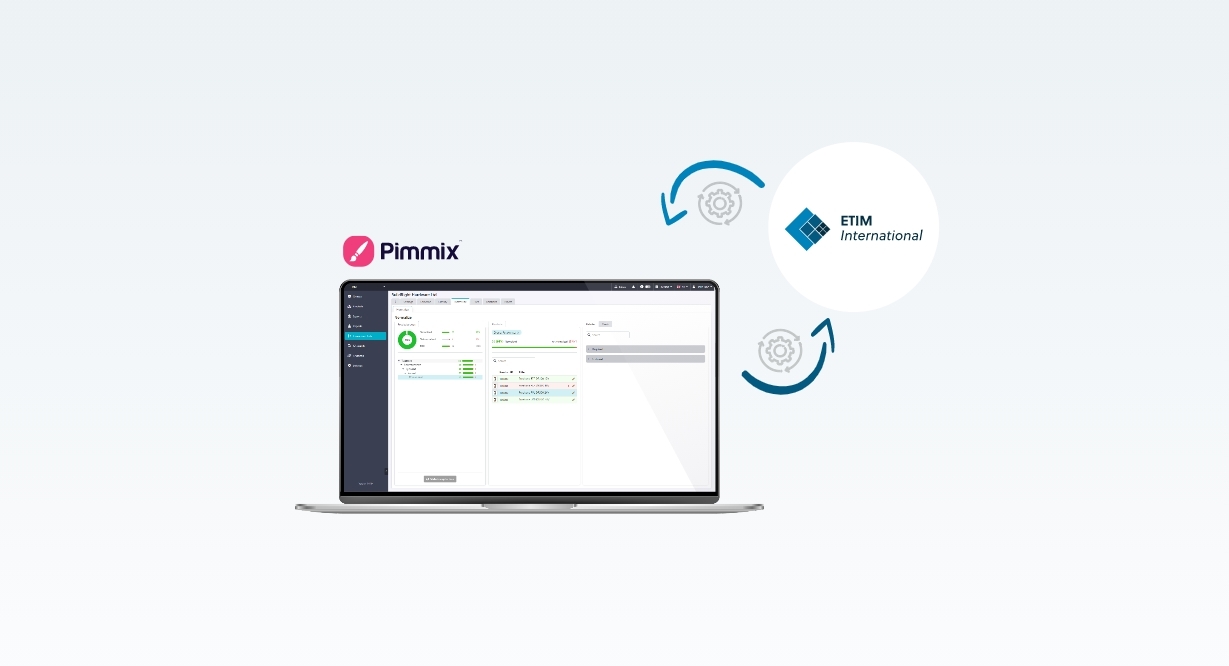
Pimmix is a product information management solution designed to connect ERP product data and the ETIM standard efficiently.
The ETIM standard is built into the Pimmix system, making it easy to convert a company’s own product data into an ETIM structure. This includes, among other things:
-
ETIM classifications
-
technical specifications
-
feature values
The ETIM standard is connected to the system through an API interface. Once the standard is available in the system, a company’s own product data can be converted into an ETIM structure automatically, either when data is imported into the system or when it is exported further to other systems and stakeholders.

Markus Rahkonen
Co-founder
"Get in touch and we will show you how Pimmix can connect ERP product data to the ETIM standard and automate the management of technical product data across different systems."
Call | Email | Send a message | Book a demo

Read more about the topic
Explore related topics to learn more about product data management, automation, and integrations. The articles below provide additional insights into how product data can be collected, structured, managed, and shared more efficiently across different systems and channels.

Artificial Intelligence (AI)
Conversion Hub
Product Data Exports
Product Data Imports
Product data management
Product Data Standards
ETIM standard integrated and built in Pimmix
Pimmix supports the ETIM product data standard within the platform. Companies can access the official ETIM classification structure, connect their own product data to ETIM attributes, or automatically convert their data to the ETIM format when required. Instead of maintaining parallel data structures or manually mapping attributes in multiple places, Pimmix allows companies to manage their own product data structure while connecting it to ETIM seamlessly. This significantly reduces manual work and ensures that product data can easily be exchanged with partners, data pools, distributors, and marketplaces that require ETIM classification.